In a nutshell
- 🫁 The hidden culprit is elevated CO2—often 1,000+ ppm in closed rooms—making air feel heavy and dull even when spotless, with added mugginess from exhaled moisture.
- 🪟 Modern airtightness (sealed windows, blocked trickle vents, tight doors) traps stale air; pros: fewer draughts and heat loss; cons: higher CO2, humidity, and lingering odours.
- 💧 Fragrance isn’t freshness: accumulated VOCs from cleaners and laundry plus high relative humidity (>60%) create a sweet-but-stale feel in “clean” rooms.
- 🔍 Measure, don’t guess: use an affordable CO2 monitor and hygrometer to keep CO2 below ~1,000 ppm and RH at 40–60%, turning “vibes” into data-driven action.
- 🛠️ Practical fixes: restore ventilation via trickle vents and door undercuts, enable cross-breezes, extend extract-fan run-ons, consider MVHR, choose low-VOC products, and avoid drying laundry indoors.
At first sniff, the room is immaculate: lemony counters, vacuumed carpet, not a speck on the skirting boards. Yet within minutes, it feels heavy, sleepy, and oddly airless. The surprising reason isn’t dust, grime, or your cleaning regime. It’s a mostly invisible indoor pollutant: carbon dioxide (CO2)—often amplified by sealed windows, blocked vents, and moisture-laden soft furnishings. When air can’t escape, CO2 and humidity quietly rise, and a “clean” room begins to feel stale. In the UK’s increasingly airtight homes, that sensation is becoming more common, particularly in bedrooms and home offices. Here’s why this matters, how to tell if CO2 is the culprit, and what quick fixes—and smarter upgrades—can restore crisp, comfortable air without undoing your energy savings.
The Hidden Culprit: Carbon Dioxide, Not Dirt
We rarely think of ourselves as the source of “stuffy”, but human respiration steadily increases CO2 in closed rooms. Outdoors hovers around ~420 ppm; indoors can climb above 1,000 ppm during meetings, study sessions, or overnight sleep with windows shut. That rise doesn’t make the room unsafe, but it does make it feel dull, warm, and airless. Studies in schools and offices routinely link elevated CO2 with sluggish thinking, headaches, and a muted sense of freshness—even when surfaces sparkle.
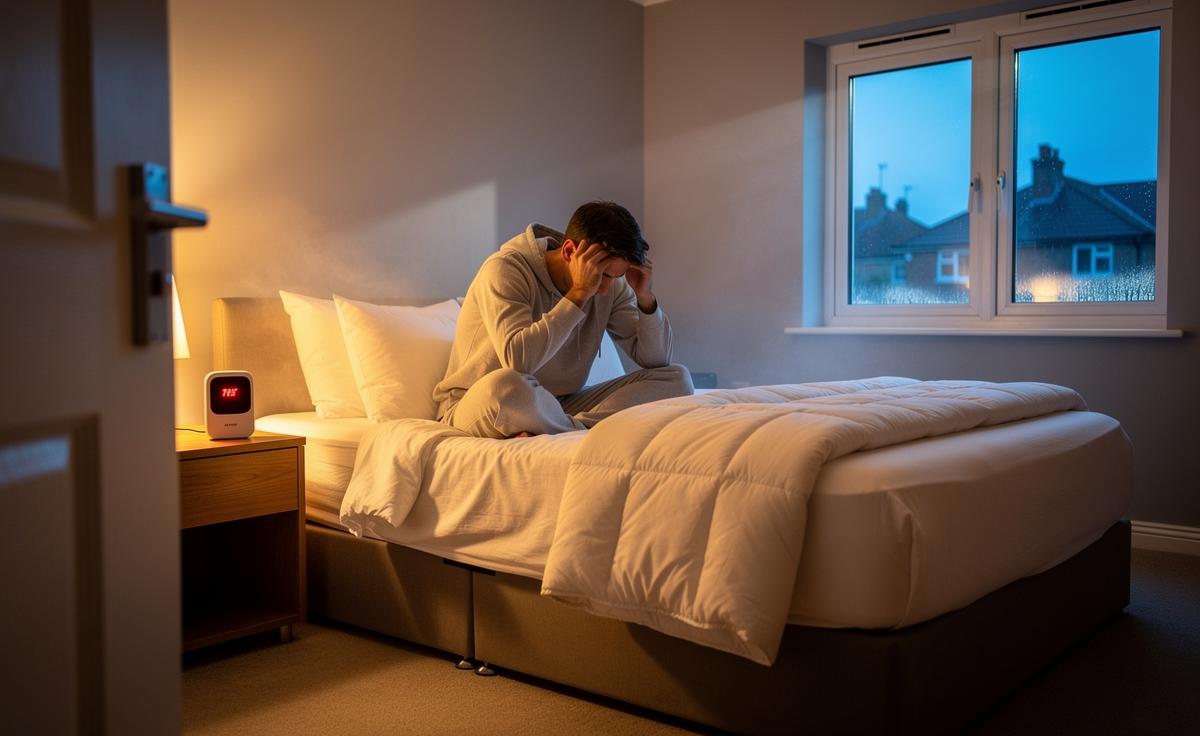
Consider a typical UK flat: two people in a small bedroom can push levels past 1,500–2,000 ppm by morning if the door is closed and trickle vents are blocked. You’ll sense “stale”, reach for a candle or fabric spray, and unintentionally mask the issue. The real fix is ventilation. As CO2 rises, so does the perception of odour and warmth because exhaled air also carries moisture. Lowering CO2 often makes a room feel instantly “cleaner” without touching a duster.
Why Spotless Rooms Trap Stale Air
Modern homes prize airtightness for efficiency. Double glazing, snug seals, and enthusiastic draught-proofing cut bills but also reduce natural air exchange. Shut the door on that pristine guest room, and you’ve created a near-jar: CO2 drifts upward, moisture lingers in soft furnishings, and any residual cleaning fragrance recirculates. Cleanliness without airflow is like polishing a car and never changing the oil—shiny, but not healthy.
The usual suspects include blocked trickle vents, missing undercuts beneath doors (no return path for air), and extract fans that never run long enough. Central heating can stratify air, leaving cooler, denser air—often with higher CO2—pooling near the floor. Meanwhile, wardrobes and bookshelves create dead zones where air goes to stagnate. Why tight-sealing isn’t always better:
- Pros: Lower heat loss, quieter rooms, fewer draughts.
- Cons: Higher CO2, trapped humidity, lingering odours.
In short, a spotless room can still feel stuffy because its airtight envelope has outpaced its ventilation strategy.
Moisture, VOCs, and the Illusion of Clean
Another twist: what we call “fresh” often means “fragranced”. Many cleaning and laundry products emit volatile organic compounds (VOCs) that mingle with humidity and textiles. In sealed rooms, those compounds accumulate, creating a sweet-but-stale film over time. Fragrance can mask staleness while making the air feel heavier. Add high relative humidity (RH)—anything above ~60%—and even immaculate rooms feel muggy, because moist air slows sweat evaporation and dulls temperature perception.
Hidden damp, slow-drying towels, or a drying rack in a closed space all add to the fug. Soft furnishings act like sponges, absorbing and re-emitting both water and odours. Below is a quick reference you can scan before you reach for more spray:
| Source | Effect | Quick Fix |
|---|---|---|
| High CO2 (closed doors/windows) | Heavy, sleepy air | Open trickle vents; crack a window; add timed fan run-ons |
| VOCs from cleaners/fragrances | Perceived “film” of staleness | Switch to low-VOC, fragrance-free products |
| RH > 60% | Mugginess, slow-drying textiles | Boost extraction; dry clothes outdoors/vented spaces |
Simple Diagnostics and Fixes You Can Do Today
Start by measuring. A £30–£70 CO2 monitor plus a £10 hygrometer will reveal what your nose already suspects. If CO2 surges past 1,000 ppm or RH sits above 60%, you’ve found your culprit. Data turns “vibes” into a plan. Open trickle vents you’ve taped shut, and ensure a 10–20 mm door undercut so stale air can reach the hall and extract points. Run bathroom and kitchen fans for 15–30 minutes after use; many models support inexpensive, automatic run-ons.
For perennial problem rooms, create cross-ventilation by cracking two openings on opposite sides, even briefly. Consider a quiet, through-wall fan with heat recovery for bedrooms, or go bigger with MVHR in airtight homes—recapturing warmth while refreshing air. Choose low-VOC cleaners and skip heavy perfumes that make you think “fresh” while feeding the fug. Lastly, rearrange furniture to remove dead zones and avoid drying laundry in sealed spaces. These small, inexpensive changes often drop CO2 and RH within hours—and the “stuffy” label with them.
Clean is not the same as fresh. The surprising, stubborn stuffiness many of us blame on dust is frequently a sign of trapped CO2 and humidity, amplified by fragrances and airtight envelopes. When you give air a way in and a way out, rooms feel crisper without sacrificing warmth or comfort. Armed with a simple monitor and a few tweaks—open vents, balanced doors, smarter extraction—you can reset the room’s microclimate and your energy bills won’t take a hammering. Which room in your home would benefit most from a quick CO2-and-humidity check this week, and what change will you try first?
Did you like it?4.4/5 (20)