In a nutshell
- 🌬️ Upgrade extraction to meet Part F targets (15 l/s intermittent or 8 l/s continuous); choose humidistat-controlled centrifugal/inline fans and verify airflow for real-world duct runs.
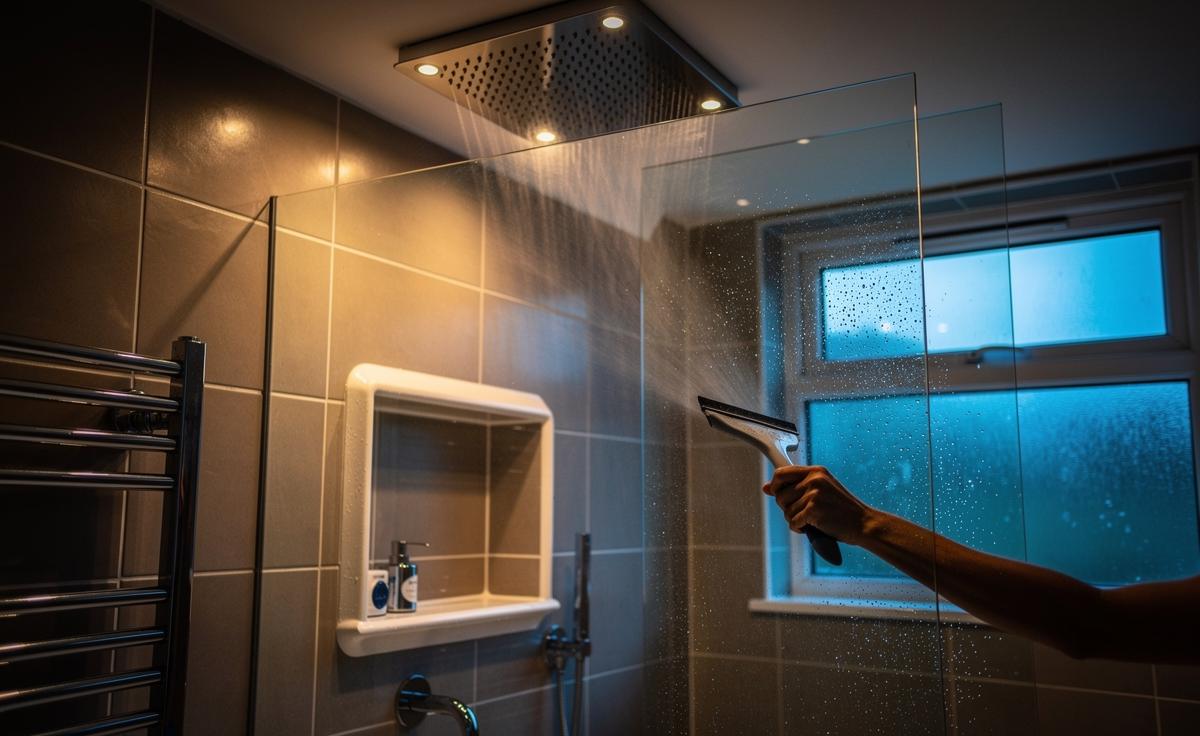
- 🚿 Adopt moisture-smart habits: shut the door, run fan 15–30 mins, squeegee after showers, dry towels properly, and track 40–60% RH with a hygrometer to catch hidden sources.
- 🌡️ Tackle cold surfaces as well as air: maintain steady background heat, improve insulation (reveals, boxing, thermal lining), and address thermal bridges to avoid dew-point condensation.
- 🧼 Clean for maintenance, not cure: start with detergent, then diluted bleach or 3% hydrogen peroxide; replace blackened silicone, regrout, and use fungicidal paint where needed.
- 🏠 Know when to escalate: persistent mold signals ventilation, heat, or fabric faults—document RH and fan flow, and call qualified pros; landlords have duties under the Homes (Fitness for Human Habitation) Act 2018.
The British bathroom is a perfect storm for mold: steamy showers, tight wintertime sealing, and a housing stock where cold corners and leaky seals abound. Yet keeping surfaces clean isn’t only about sparkle—it’s about health, building longevity, and energy efficiency. Drawing on site visits, contractor interviews, and new guidance, this guide sets out proven, UK-specific strategies to prevent growth before it starts and to fix stubborn cases for good. Moisture management, not just cleaning, is the long-term solution. From Part F-compliant ventilation to smart daily habits and resilient finishes, here’s how to protect grout lines, ceilings, and sealants—even through a wet British winter—without draining your heating budget.
Ventilation That Works in the UK Climate
In the UK, mechanical extract beats a quick window crack. Building Regulations Part F targets 15 l/s for intermittent bathroom fans or 8 l/s if continuous—capacities many legacy fans simply don’t hit. Specifying a humidistat-controlled centrifugal or inline fan maintains airflow against longer ducts and loft runs common in semis and terraces. Airflow you can measure is airflow you can trust: ask installers to verify rates with an anemometer, and ensure rigid ducting, short runs, and backdraft shutters that actually close. In a winter visit to a 1930s semi in Kent, swapping a noisy 80m³/h axial fan for a 30 l/s inline unit with a 20-minute overrun cleared steam before it reached a cold external wall, stopping black spotting above the shower within weeks.
Windows are still useful—especially with trickle vents—but heat loss and drafts limit their practicality in January. A PIV (Positive Input Ventilation) unit can stabilise whole-home humidity by gently feeding filtered loft air, reducing bathroom peaks before they condense. If extraction sounds fierce, check acoustic ratings and consider a continuous low-speed fan; it’s often quieter and more effective overall.
| Option | Pros | Cons | Typical Cost (UK) |
|---|---|---|---|
| Axial fan (intermittent) | Low cost, easy swap | Poor on long ducts; noisy when cheap | £25–£60 |
| Centrifugal/inline (humidistat) | Strong, quiet; meets Part F more reliably | Higher upfront; needs proper ducting | £80–£200 + install |
| PIV (whole-home) | Balances humidity house-wide | May need trickle vents; filter changes | £250–£500 + install |
| Dehumidifier | Fast moisture reduction | Running cost and space | £150–£300; ~5–15p/hour |
- Checklist: Overrun 15–30 mins, door closed; fan rated for your duct length; clean grilles quarterly.
- Why opening a window isn’t always better: you dump heat and may still miss hidden moisture trapped in voids.
Moisture Management: Habits, Fixtures, and Hidden Sources
Prevention starts with the water you add to the room. A single hot shower can release up to 1–2 litres of moisture; halving that peak helps more than any miracle spray. Fit quick-close shower screens and squeegee tiles and glass; keep lids down and traps sealed; and hang towels to dry in a ventilated space rather than piled on a warm rail. Small routine changes reduce relative humidity before it meets a cold surface. Add a simple digital hygrometer and aim for 40–60% RH; if your bathroom sits above 65% long after showers, airflow or heat is lacking, or there’s a hidden source.
Those hidden sources matter. Look for weeping silicone joints, perished grout, and micro-leaks around shower valves and WC feeds; capillary leaks are often invisible until plaster darkens. Cold mains pipes sweating in summer, uninsulated boxed-in soil stacks, and trickle vents taped shut also drive localized mold bands. Swap to low-flow, aerated shower heads to cut steam bursts without sacrificing comfort; a £20 model often pays back in both water and humidity. And if you dry laundry in the bathroom, do it only with the fan running and the door closed, or you’ll re-seed mold across ceilings and seals.
- After every shower: door shut, fan on; squeegee tiles; leave screen ajar to ventilate.
- Weekly: inspect silicone/grout, wipe window reveals, rinse extractor grille.
- Monthly: clean traps, check for pipe condensation, log RH highs and lows.
Heat, Insulation, and Building Fabric: Why Airflow Alone Isn’t Enough
Mold blooms where air meets a cold surface—the dew point—so warmer, better-insulated materials are as important as extraction. Warm surfaces discourage condensation even when the air is moist. Bathrooms in north-facing corners, over unheated garages, or with thermal bridges (steel lintels, uninsulated reveals) are frequent hotspots. A steady 18–19°C background temperature keeps surfaces above the dew point, letting your fan actually work. Here’s the contrast that surprises readers in an energy crisis: Why turning the heating off all day isn’t always better. Cycling rooms from cold to hot spikes condensation; shallow, consistent heat often uses less energy than reheating soaked walls.
Target the cold spots. Add insulated plasterboard on external walls when refurbishing; use thermal lining paper as a lighter retrofit; insulate boxing for soil and supply pipes; and seal gaps around extractor ducts to stop cold bleed. Fit thermostatic radiator valves so bathrooms pre-warm before morning showers. Consider a small, low-watt heated mirror or demist pad to stop drip lines that feed grout staining. In a Bristol flat we toured, replacing a solid timber window with a well-fitted double-glazed unit and insulated reveal lifted surface temperatures by 3–4°C—enough to end the perpetual black halo above the bath without upping the thermostat.
- Quick wins: TRVs timed for shower hours; insulate reveals; draught-proof loft hatches near bathrooms.
- Deeper fixes: Internal wall insulation; address lintel bridges; upgrade leaky windows.
Cleaning, Products, and When to Call in Help
Cleaning is the maintenance layer, not the cure. For small areas on non-porous surfaces, start with detergent and warm water; escalate to diluted bleach (1:10) or 3% hydrogen peroxide on tiles and glass, and rinse well. Never mix chemicals, and avoid abrasive pads that open pores in grout. Porous moldy materials—crumbling grout, blackened silicone, blown plaster—often need removal and replacement. Use mould-resistant silicone and a fungicidal paint or additive on ceilings; apply two thin coats and respect cure times, or you’ll trap moisture beneath.
Persistent growth signals a building problem: inadequate extract, cold bridges, or leaks. If patches exceed about a square metre, there’s chronic damp, or anyone has asthma or mould sensitivity, escalate. Landlords have duties under the Homes (Fitness for Human Habitation) Act 2018; document with dated photos, humidity logs, and a fan spec/flow reading. Ask a qualified contractor to inspect ventilation (fan type, l/s verified), ducting, and insulation strategy. A professional can also test moisture in substrates to distinguish condensation from penetrating or rising damp—a crucial step before throwing more paint at the problem.
- Replace failing silicone; regrout with polymer-modified grout; prime stained plaster before repainting.
- Schedule quarterly cleans; keep cleaning kit visible so small blooms don’t become big ones.
- If you’re cleaning the same patch monthly, the fix is ventilation, heat, or fabric—not stronger bleach.
Keeping UK bathrooms mold-free is about balance: steady warmth, right-sized ventilation, disciplined moisture habits, and durable finishes that resist regrowth. When those pieces click, the ceiling stays bright, the sealant stays clear, and energy bills stop yo-yoing with emergency window opening. Treat cleaning as upkeep and diagnostics, not a silver bullet, and use simple instruments—thermometers, hygrometers, fan flow checks—to steer decisions. The best strategy is the one you can sustain through winter without sacrificing comfort. Which single change—upgrading the fan, adding background heat, or tightening daily routines—will you try first in your bathroom, and how will you measure if it works?
Did you like it?4.6/5 (28)