In a nutshell
- 🏠 UK homes harbour dust mites, mould, and pet dander; effective control hinges on moisture management plus layered tactics: source control, ventilation, filtration, and consistent cleaning.
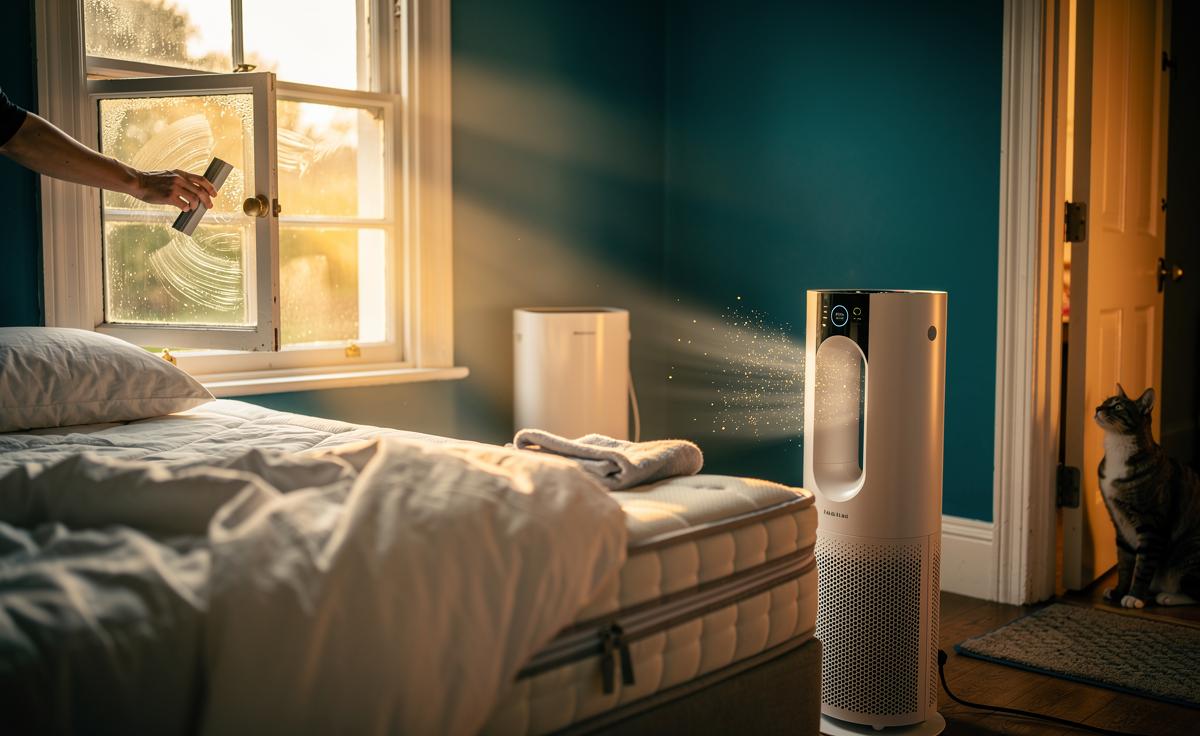
- 🛏️ Room-by-room wins: wash bedding at 60°C, add mattress/pillow encasements, keep pets out of bedrooms, run a HEPA purifier by the bed, and use extractor fans after showers; target 40–50% RH.
- 🧼 Cleaning & filtration: right-sized and well-placed HEPA purifiers/vacuums outperform oversized units; choose washable textiles and damp-dust; avoid fragranced sprays that add VOCs without removing allergens.
- 💊 Health pathway: combine non-drowsy antihistamines, intranasal steroids, and saline rinses; persistent or severe symptoms merit allergy testing, asthma review, and potential immunotherapy.
- 💷 Budget ladder: start with hygrometers and routine 60°C laundry, then scale to dehumidifiers, HEPA gear, and upgrades like humidity-sensing extractors or PIV/MVHR; renters should document damp to secure repairs.
Allergy season in Britain doesn’t stop at the front door. From house dust mites to mould spores and pet dander, a typical UK home can quietly nurture triggers that inflame noses, eyes, lungs, and skin. As our housing stock skews older—and winters get wetter—condensation and poor ventilation magnify the problem. This expert guide blends reporting, on-the-ground case studies, and practical science to help you take control. Small, evidence-led tweaks often beat expensive overhauls. Whether you rent a Victorian terrace or own a new-build flat, you’ll find actionable steps, smart upgrades, and the crucial “what not to do” moments that cut symptoms fast without blowing the budget.
What Triggers Allergies Indoors in the UK
In UK homes, the leading culprits are house dust mites (thriving in bedding and soft furnishings), mould (from bathrooms to cold corners), and pet dander. Pollen from birch or grass also drifts inside via windows, laundry, and pets. Cleaning sprays and air fresheners can irritate airways—even if they’re not true allergens. The UK’s damp-prone climate and mixed-quality insulation make moisture control the keystone of indoor allergen management. Around one in three people report allergy symptoms nationwide, and many flare-ups begin at home. Knowing where allergens accumulate—and when they spike—lets you prioritise interventions with the highest payoff.
| Allergen | Where It Thrives | UK Peak | Quick Win |
|---|---|---|---|
| Dust mites | Mattresses, pillows, carpets, sofas | Year-round; worse in humid rooms | Wash bedding at 60°C; use encasements |
| Mould spores | Bathrooms, kitchens, cold bridges | Autumn–winter damp spells | Ventilate, dehumidify, clean with mould remover |
| Pet dander | Soft furnishings, clothing | Year-round | HEPA vacuum; pet-free bedrooms |
| Pollen indoors | Window sills, curtains, laundry | Spring–summer | Close windows at peak; use HEPA purifier |
Two UK realities complicate control: older homes often lack mechanical extraction, and newer airtight builds can trap humidity. That’s why a layered strategy—source control, ventilation, filtration, and diligent cleaning—works best. Chasing a single “silver bullet” usually disappoints; stack small wins.
Room-by-Room Actions That Actually Work
On assignment in a Manchester terrace, we cut a reader’s morning sneezing in two weeks without major spend. The secret? Targeted, repeatable habits: managing moisture, trapping particles, and breaking allergen reservoirs. Small, consistent routines outperform one-off deep cleans. Bedrooms matter most: eight hours of exposure nightly amplifies symptoms. Bathrooms and kitchens set your home’s humidity baseline; living rooms stockpile dander and dust. By auditing each space and making two or three high-yield changes, you’ll see measurable relief fast—often within a fortnight.
- Bedroom: Wash bedding weekly at 60°C; add mattress and pillow encasements; keep pets out; run a HEPA purifier on low overnight; minimise clutter under beds.
- Bathroom: Use the extractor for 20 minutes after showers; squeegee tiles and glass; fix leaks; treat visible mould promptly; keep door closed while showering to localise humidity.
- Kitchen: Lid pots; always run cooker hoods that vent outside; dry laundry in ventilated areas or with a condenser/heat-pump dryer to avoid indoor damp spikes.
- Living room: HEPA vacuum carpets and sofas twice weekly; choose washable throws; damp dust (not dry); keep windows trickle-vent open where safe.
- Hallway/entry: Shoe-off policy; door mats inside and out; brush pets outdoors before walks during pollen season.
Consider a hygrometer in each key room. Aim for 40–50% relative humidity. If readings creep higher, ventilate or dehumidify; if lower in winter, add bowls of water near radiators rather than a full-blown humidifier. Controlling moisture trims both mould and mite populations simultaneously.
Cleaning, Filtration, and Fabrics: Pros vs. Cons
Consumers often assume the “biggest filter” is best; it isn’t—fit and placement beat raw specs. A well-sized HEPA purifier near the bed can outperform an oversized unit stranded in a corner. Likewise, a sealed HEPA vacuum captures more than a flashy stick vac without proper filtration. Textiles are your hidden battleground: thick pile carpets, layered drapes, and soft toys store allergens for weeks.
- HEPA purifiers — Pros: Cut fine particles and pollen; quiet models suit bedrooms. Cons: Won’t solve damp or mould sources; filter costs add up.
- HEPA vacuums — Pros: Essential for dust and dander; sealed systems prevent blow-back. Cons: Heavier; bags/filters add ongoing cost.
- Washable rugs vs. wall-to-wall carpet — Pros: Rugs can be laundered at 60°C. Cons: Hard floors can echo; cold underfoot without rug pads.
- Dehumidifiers — Pros: Rapid humidity control; great in bathrooms/bedrooms. Cons: Noise and energy use; emptying tanks is a chore.
- Fragranced sprays — Pros: Mask odours. Cons: Can irritate airways and add VOCs without removing allergens.
Technique matters: vacuum slowly, overlapping passes; damp-dust with microfibre; wash bedding, mattress protectors, and pet blankets weekly at 60°C; tumble-dry to denature mite allergens. For curtains and cushions, choose washable covers. If replacing floors, consider sealed hard surfaces with washable rugs. Efficiency comes from doing the right task at the right frequency—not from the priciest gadget.
Medication, Testing, and When to Seek Help
Environmental controls do the heavy lifting, but medicines can steady symptoms while changes bed in. UK pharmacists can advise on non-drowsy antihistamines (e.g., cetirizine, loratadine) and intranasal steroid sprays (e.g., fluticasone, mometasone) for congestion. Saline rinses help flush allergens before bed. For itchy eyes, preservative-free lubricating drops soothe daily wear and tear. Use medicines as directed and consult your GP or pharmacist, especially if you’re pregnant, have other conditions, or take regular prescriptions.
If symptoms persist despite good controls, ask your GP about referral for allergy testing (skin-prick or specific IgE blood tests) or evaluation for asthma control. Some patients may be candidates for immunotherapy (more common for pollens; dust mite options exist in select cases). Red flags: wheeze, night-time cough, recurrent sinus infections, or mould exposure with worsening breathlessness—seek medical advice promptly. For contact dermatitis from cleaning products, patch testing via dermatology can pinpoint culprits so you can switch to gentler, fragrance-free alternatives. Medical input turns guesswork into a tailored plan.
Budget and Upgrade Path for UK Households
A smart plan staggers cost while building results. Start cheap, measure impact, then scale. Here’s a practical ladder used by readers around the country:
- £0–£30: Hygrometer; microfibre cloths; laundry at 60°C; window trickle vents open; door mats; squeegee for showers.
- £30–£150: Sealed pillow/mattress encasements; detergent for sensitive skin; dehumidifier-grade moisture absorbers for wardrobes; anti-mould paint for small problem patches.
- £150–£600: Entry-level HEPA purifier for bedroom; HEPA vacuum; compact dehumidifier for bedroom/bathroom; washable rugs to replace dust-trapping mats.
- £600+: Upgrade extractor fans with humidity sensors; secondary glazing or better seals; targeted insulation to reduce cold spots; whole-home ventilation (e.g., PIV or MVHR) where appropriate.
Owners can coordinate insulation, ventilation, and damp-proofing as part of energy upgrades—often improving EPC ratings while cutting mould risk. Renters can still ask for functioning extractor fans and repairs addressing leaks or recurring mould. Document humidity readings and visible damp to support requests. Whatever your tenure, revisit your plan every season: pollen calendars shift, heating routines change, and pets shed on their own schedule. The goal is a calm, repeatable routine that fits your home and budget.
You don’t need a laboratory to outsmart indoor allergens—just a clear plan, a few reliable tools, and habits you can sustain. Start with moisture control, lock in bedroom fixes, then expand to cleaning tactics and sensible filtration. Medicines can bridge gaps while your environment improves, and clinicians can refine your target list. The most successful households iterate, measure, and keep what works. Which room will you tackle first this week—and what one change could make the biggest difference to your breathing, sleep, or comfort at home?
Did you like it?4.5/5 (20)